
What the finding is, how it is assessed, which treatments address it in London, what will not work, how long results take and what moves the cost.
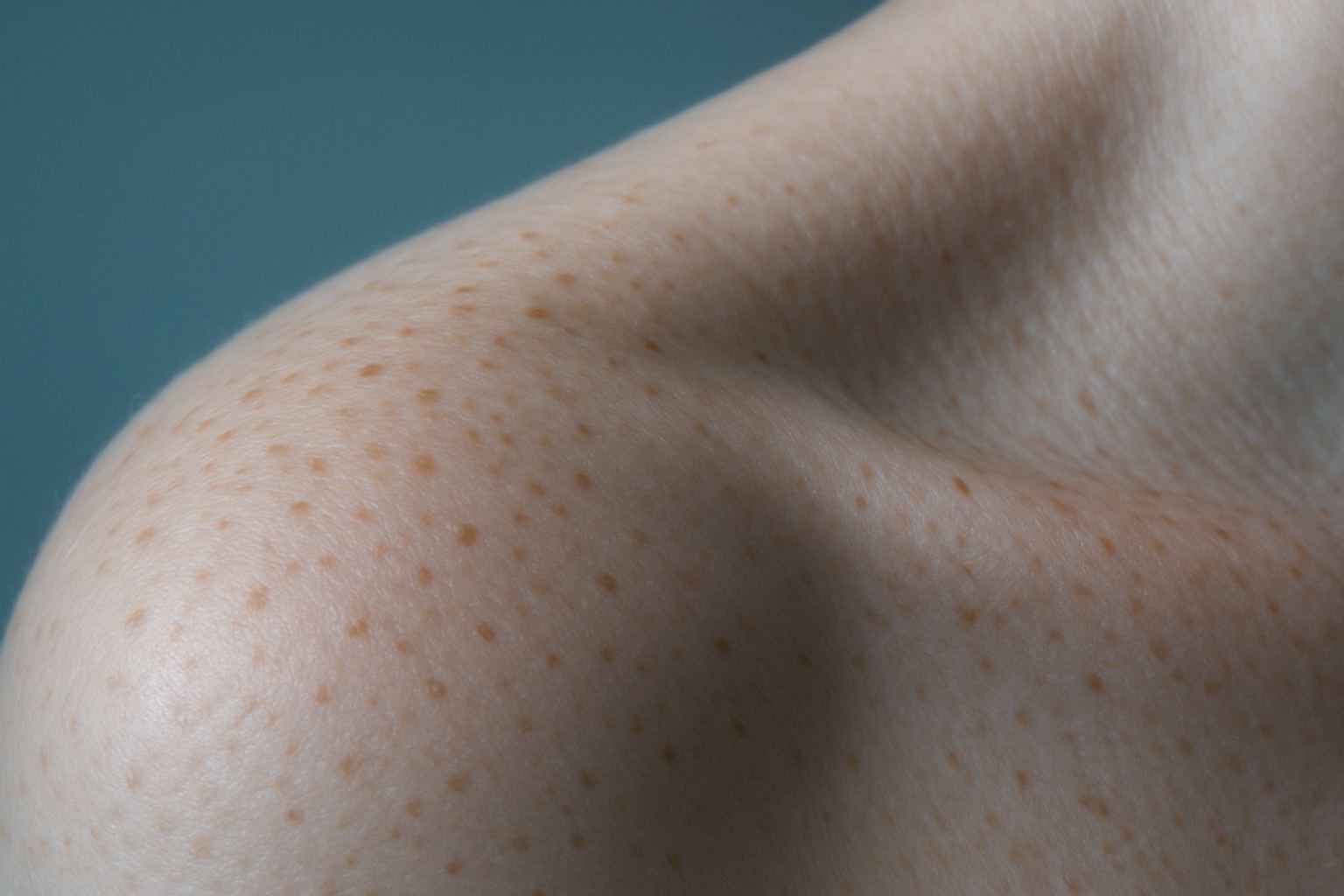
Ultraviolet radiation degrades collagen directly and drives the enzymes that break down more of it, produces abnormal elastin deposits, provokes uneven melanin production and damages the vessels near the surface. The result is coarse texture, brown patches and spots, redness and loss of firmness. It also causes the DNA damage behind skin cancer, which is why any changing lesion needs a doctor rather than a treatment.
Treatments that address this
Photoageing is not a vaguer version of ageing. It is a distinct set of changes with identifiable mechanisms, and each of them responds to something different.
Any new pigmented lesion, any lesion that is changing in size, shape or colour, any lesion that bleeds, itches or fails to heal, and any rough scaly patch that persists needs to be examined by a doctor rather than treated by a clinic. Cosmetic treatment of an undiagnosed lesion destroys the evidence and delays the diagnosis.
The assessment does two jobs. It screens, and then it plans.
Where melasma is present alongside sun damage, the plan changes substantially, because melasma frequently rebounds after heat-based treatment. Pigmentation and melasma sets that out in full.
None of this holds without daily broad spectrum sun protection afterwards, which is not a recommendation added at the end but the condition on which every result above depends.
Treating a pigmented lesion cosmetically before it has been examined. This is the single most serious error on this site. Removing a lesion with a laser destroys the tissue that would have made the diagnosis and delays it by however long it takes to recur.
Aggressive resurfacing in deeper skin tones without preparation. Post-inflammatory hyperpigmentation is common, persistent and largely preventable by typing the skin and choosing the approach accordingly.
Treating without changing behaviour. New lentigines appear if exposure continues, collagen gained is lost again, and the course has to be repeated indefinitely. That is a good business model and a poor outcome.
Skin lightening preparations bought online. Unregulated products containing high strength hydroquinone, mercury or potent steroids remain in circulation and cause lasting damage. If a product has no ingredient list, no manufacturer and no regulatory route, it does not belong on a face.
Surface pigment responds relatively quickly. Discrete lentigines treated appropriately darken, crust and clear over one to two weeks, and the improvement is visible early.
Texture and collagen run on the slow clock. Remodelling continues for three to six months after the final session, so the result of a resurfacing course is assessed at six months rather than at four weeks.
Durability is entirely a function of behaviour afterwards. Treated skin that continues to be exposed accumulates new damage at the same rate as before. Protected skin holds the result for years.
Cost varies more here than in most categories, because the treatments range from a superficial peel course to ablative laser with a week of downtime.
What skin treatment costs in London explains the rest.
The first thing a competent practitioner does with sun-damaged skin is look at it critically for anything that needs a doctor. A clinic that goes straight to a treatment plan without that step has skipped the part that matters most.
Ask what your Fitzpatrick type is and how it changed the plan. Ask which device or acid is proposed and why. Ask what the protocol is if pigmentation develops afterwards. Ask directly whether they are prepared to refer you to a doctor, and note that a good answer involves the word yes.
The standards to expect from a skin clinic in London covers registration, verification and consent.
Substantially improved rather than reversed. Pigment responds well, texture and collagen improve over months, and solar elastosis is the hardest component to change. What no treatment does is undo the DNA damage, which is why prevention matters more than any course and why lesion screening is part of the assessment.
Discrete, sharply bordered spots on chronically exposed skin respond well to appropriately chosen laser or light in lighter skin types, and to peels. The critical step is establishing that they are lentigines rather than melasma or something that needs a doctor, because the treatments differ and one of them makes melasma worse.
For any new pigmented lesion, any lesion changing in size, shape or colour, anything that bleeds, itches or fails to heal, and any rough scaly patch that persists. Urgently, and before any cosmetic treatment, because treating an undiagnosed lesion destroys the evidence.
Yes, and mostly through incidental daily exposure rather than holidays. Ultraviolet A passes through cloud and window glass and contributes to collagen degradation year round. Daily protection matters in London in March as much as it does anywhere in August.
They are frequently more sun damaged than the face and are routinely left out of treatment plans. They also heal more slowly and are more prone to scarring, so settings appropriate to the face are not appropriate there. Both facts should be in the plan before you consent.
Treatment
The most powerful resurfacing available, and the least forgiving of a careless assessment.
Read
Treatment
Four different conditions wearing one word. Getting the diagnosis wrong here is expensive and sometimes permanent.
Read

The decision
Judge the assessment rather than the equipment. A good clinic names your diagnosis before it names a device, r...
Read
Tell us what you are seeing on your skin and how long it has been there. You will get a considered reply setting out which treatments apply to that finding, which do not, and what an assessment would need to establish.
hello@aestheticlaunchlab.comPlease do not send clinical photographs or medical records by email. If something has gone wrong after a treatment, contact the practitioner who treated you, or NHS 111, rather than waiting for a reply here.