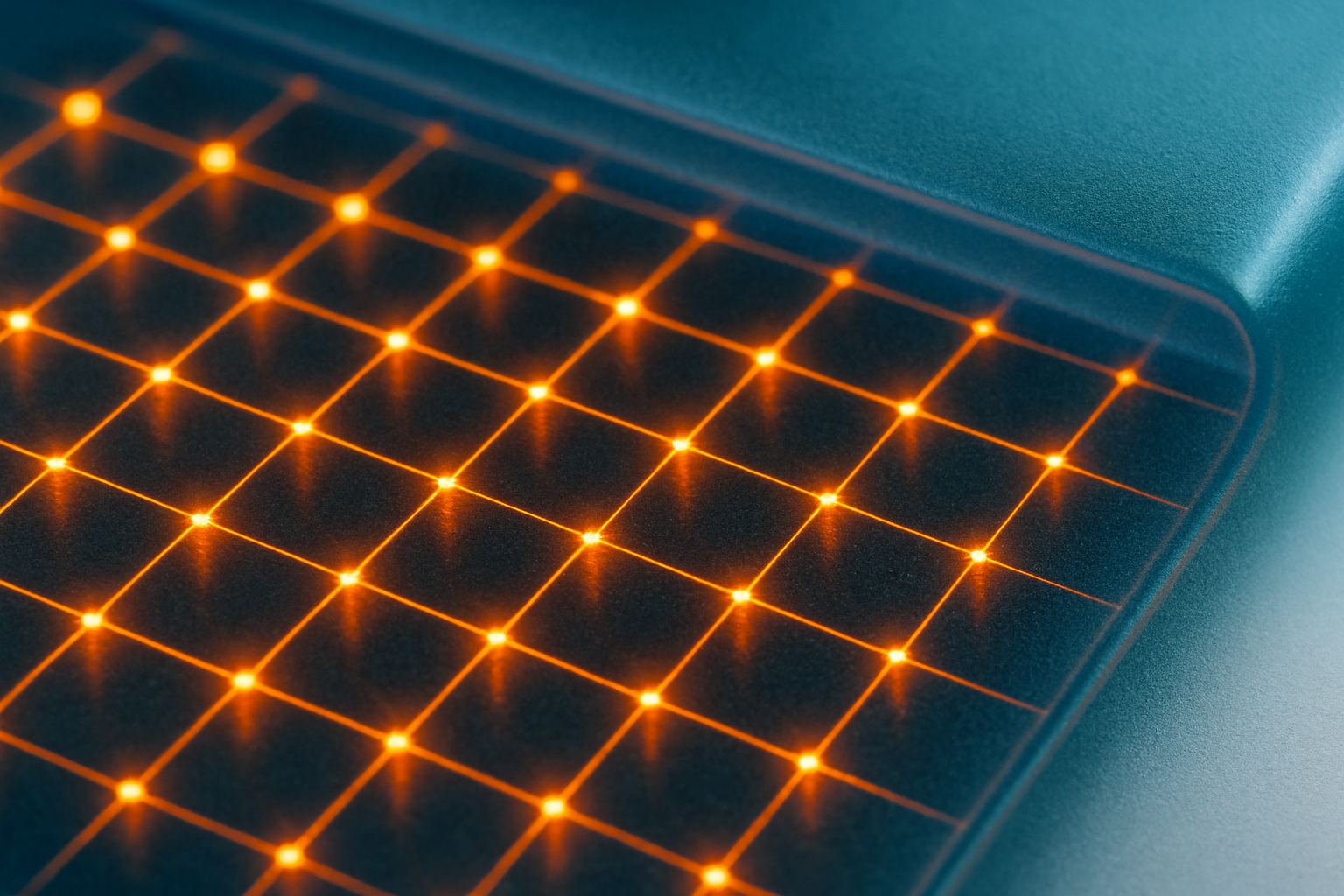
Radiofrequency microneedling in London. Energy, depth and the fat atrophy risk, who it suits, and what the settings actually decide.
Radiofrequency microneedling drives fine needles into the dermis and delivers heat through their tips. The combination of mechanical injury and controlled thermal injury produces more remodelling than needling alone. It is used for texture, scarring and mild laxity, and it carries more risk.
Conditions this treats
The cost of RF microneedling in London reflects a more complex treatment than needling alone. Price is driven by the platform used, the needle type, the number of sessions in the course, the size of the area treated, and the training of the operator setting depth and energy for your skin.
Cost follows the assessment rather than preceding it. What treatment costs sets out how a written quotation should be built, and the guide to choosing a skin clinic covers what an unusually low figure has normally had removed from it.
RF microneedling produces change that develops over three to six months after a course of about three sessions, as heated dermis remodels. The improvement in texture, scarring and mild laxity commonly holds for a year or more, then declines with continued ageing. Maintenance sessions are usual rather than a further full course.
Standard microneedling relies on mechanical injury alone. Radiofrequency devices add a second mechanism: current passes between or from the needle tips once they are in the dermis, heating the surrounding tissue to a temperature intended to denature collagen and trigger a stronger remodelling response.
In practice that means more change per session, and a treatment that reaches deeper structures than needling alone. It also means a thermal injury has been placed inside your dermis, which is a more consequential act than a puncture, and one that depends entirely on the settings chosen.
RF microneedling is safe when energy and depth are set for the area and the skin type on a maintained device. Expect redness and swelling for two to five days and a visible grid pattern for a while. The serious risk is fat atrophy where energy is delivered too deep on a thin face.
The complication that distinguishes this treatment from standard microneedling is loss of subcutaneous fat where energy has been delivered too deep or too aggressively. The result is a hollow or a shadow that appears in the weeks or months afterwards and that does not resolve on its own.
It is uncommon, it is more likely in thin faces and in the temples and lower cheeks, and it is a settings problem rather than an inevitability. It is also a good reason to prefer a practitioner who treats conservatively and stages sessions, over one who promises a dramatic single-session change.
Ask what depth and energy they are using in each area, whether they reduce settings over the temples and lower cheeks, and whether they have ever seen fat atrophy after treatment. A practitioner who engages seriously with that question is the one you want.
Expect numbing cream for around forty five minutes, then treatment in passes at set depths, which feels hot and prickly. The appointment takes about an hour. Redness and swelling last two to five days, a grid of small marks can persist for days, and sun protection is worn throughout.
This distinction matters and is rarely explained to patients.
Neither is universally better. The point is that a practitioner should be able to tell you which the device uses, why that suits your skin, and what depth and energy they are setting.
Numbing cream is applied for around forty five minutes, sometimes longer than for standard needling because the treatment is more uncomfortable. The device is passed over the area in a grid pattern, often with more than one pass at different depths.
Aftercare is the same in principle as for needling but stricter: gentle cleansing only, bland moisturiser, no actives for around a week, no heat or exercise for forty eight hours, and daily broad-spectrum sun protection without exception. See aftercare.
Choosing a practitioner for RF microneedling in London means asking about settings rather than the machine's name. Ask what depth and energy are used on your face and why, whether needles are insulated, how they avoid fat loss in thin areas, how your skin type changes the protocol, and what training they hold on that platform.
RF microneedling is not suitable for a thin face where deep energy risks fat loss, nor for significant laxity that needs surgery. It is declined in pregnancy, over active infection or inflamed acne, and with an implanted pacemaker or defibrillator. Recent isotretinoin and metal implants in the treatment field also need review.
Poor candidates:
See laser resurfacing and microneedling to compare directly.
The same order every time, with the decision made at assessment rather than at the point of sale.
The skin is examined in consistent light and the finding is named before rf microneedling is discussed as an answer to it. Skin type, medical history, medicines and the routine you are already using all change the plan.
For energy-based treatment, particularly in higher Fitzpatrick types, a test patch and a wait rather than a full treatment on a first visit.
The finding, the treatment, the number of sessions, the interval between them, what you use at home and what it costs, in writing. A typical course is typically 3 sessions, 4 to 8 weeks apart.
Conservative settings first, escalated across a course on the basis of how your skin actually responded rather than on a fixed protocol. Afterwards, redness and swelling 2 to 5 days; grid marks can persist for days.
Written aftercare covering sun protection, what to apply, what to stop and the signs that mean you telephone rather than wait.
Where the finding will not respond to this treatment, that is said plainly and the correct route is discussed instead of a compromise.
It adds controlled heat delivered into the dermis through the needles, producing more remodelling per session along with more downtime and more risk.
Typically three, four to eight weeks apart, with the result assessed three months after the last.
Yes. Numbing is applied for longer and the sensation is a deep heat rather than a scratch.
Small marks where the needles entered, normal in the first days after treatment and settling over roughly a week.
It can, where energy is delivered too deep or too aggressively, particularly on thin faces. It is uncommon and it is a settings issue.
It is often preferred over ablative laser, especially with insulated needles, which spare the epidermis most of the thermal injury.
Modestly, in mild laxity, over months. It is not a substitute for surgery and should not be sold as one.
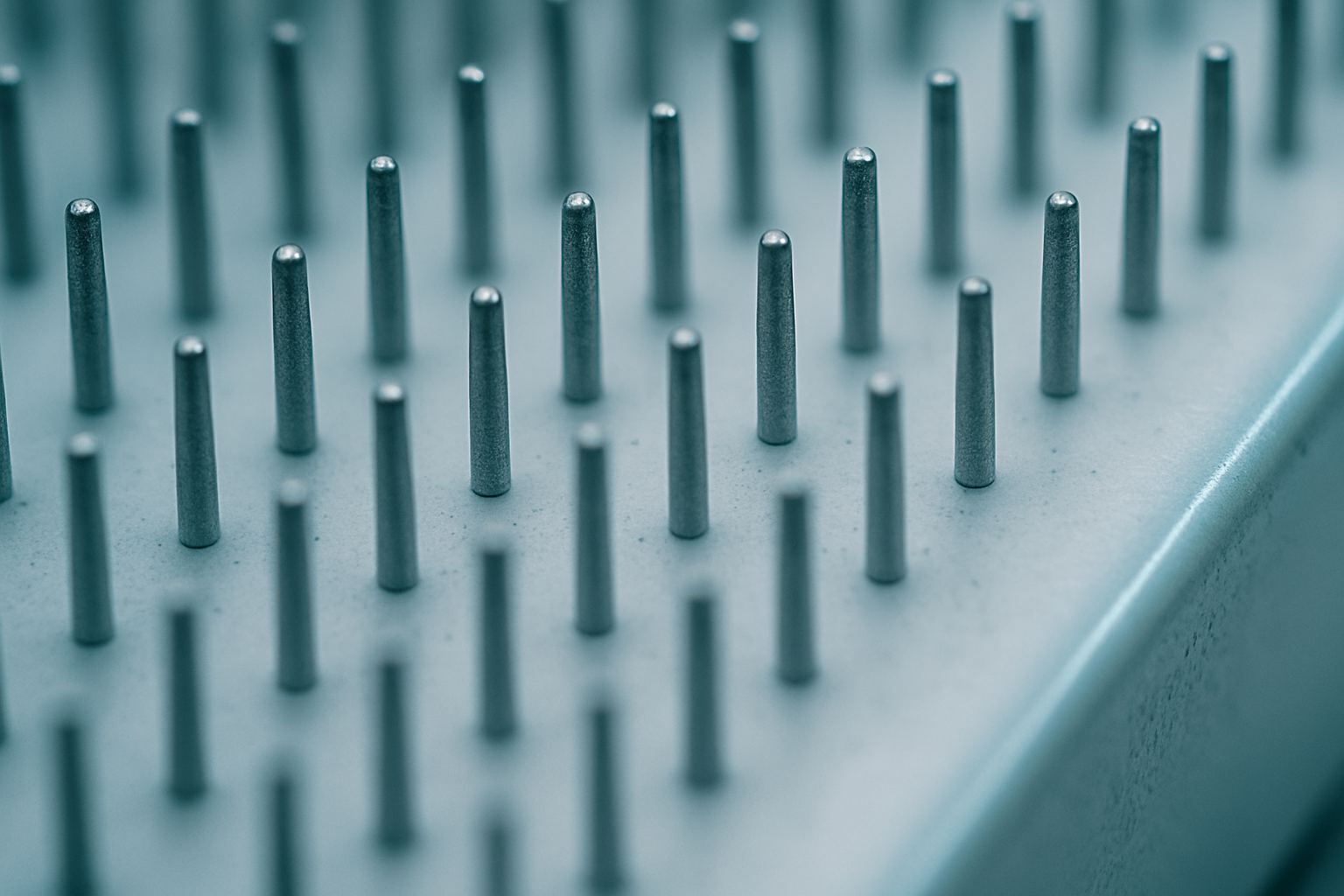
Treatment
The most reliable low-risk texture treatment, and the one most often undermined by home devices.
Read

Treatment
The most powerful resurfacing available, and the least forgiving of a careless assessment.
Read

Treatment
Two problems, in strict order. Active acne is a medical condition; scarring is a staged programme.
Read
Tell us what you are seeing on your skin and what you have already tried. You will get a considered reply setting out whether this treatment applies to the finding you have described, what an assessment would need to establish, and what the alternatives are.
hello@aestheticlaunchlab.comPlease do not send clinical photographs or medical records by email. If something has gone wrong after a treatment, contact the practitioner who treated you, or NHS 111, rather than waiting for a reply here.