Platelet rich plasma in London. Preparation, protocols and what the evidence supports, and why preparation method changes the result.
Blood is drawn, spun in a centrifuge to concentrate the platelets, and the resulting plasma is injected back into the skin or scalp. Platelets release growth factors intended to stimulate repair. Preparation methods vary widely between clinics, which makes results and evidence difficult to compare.
The cost of PRP treatment in London reflects the tube system, the processing and the clinical time, since your own blood is drawn and prepared in the same appointment. Price is driven by the number of sessions, the area treated, the system used and the training of the practitioner performing it.
Cost follows the assessment rather than preceding it. What treatment costs sets out how a written quotation should be built, and the guide to choosing a skin clinic covers what an unusually low figure has normally had removed from it.
PRP treatment produces gradual change that is usually assessed after a course of about three sessions, then maintained. Improvement in skin quality typically holds for months rather than years and is topped up periodically. For hair, treatment supports an ongoing condition, so stopping generally means the benefit recedes.
The reasonable expectation is a gradual improvement in skin quality across a course, maintained with periodic treatment. For hair, the reasonable expectation is a contribution to a wider plan rather than a replacement for established treatment.
The unreasonable expectations, which appear regularly in marketing, are dramatic tightening, reversal of significant hair loss, and results from a single session. None of those is supported, and a clinic promising them is describing a product it does not have.
This is the most useful single question for any treatment where the mechanism is described in general terms such as regeneration or rejuvenation. A practitioner who can state the limits clearly is a practitioner worth listening to about the benefits.
PRP treatment uses your own blood, so allergic reaction to the material itself is not a concern. The risks relate to the procedure: bruising, swelling for one to three days, discomfort, and infection where handling is poor. Certain blood disorders, active infection and some medications make it unsuitable.
Because this involves handling blood, the standards for preparation, labelling and traceability matter. Ask how your sample is labelled and handled, and satisfy yourself that the process looks like a clinical one rather than an improvised one.
Expect blood to be drawn, spun in a centrifuge and prepared while you wait, then injected across the treated area. The appointment takes around an hour in total. Swelling and bruising last one to three days. Sessions are commonly four to six weeks apart, with results judged gradually.
Blood is drawn as it would be for any test. The tube is spun for several minutes. The prepared plasma is then injected across the treatment area, or applied into microchannels if combined with needling. The whole appointment usually takes under an hour.
Because the material comes from you, allergic reaction to the product itself is not a concern in the way it is with an injected foreign material. Infection, bruising and the usual injection risks all still apply.
Choosing a practitioner for PRP treatment in London matters unusually much, because protocols vary and so do results. Ask which tube system is used, what spin speed and time, what final concentration is achieved, how blood is handled and disposed of, and what training and registration they hold.
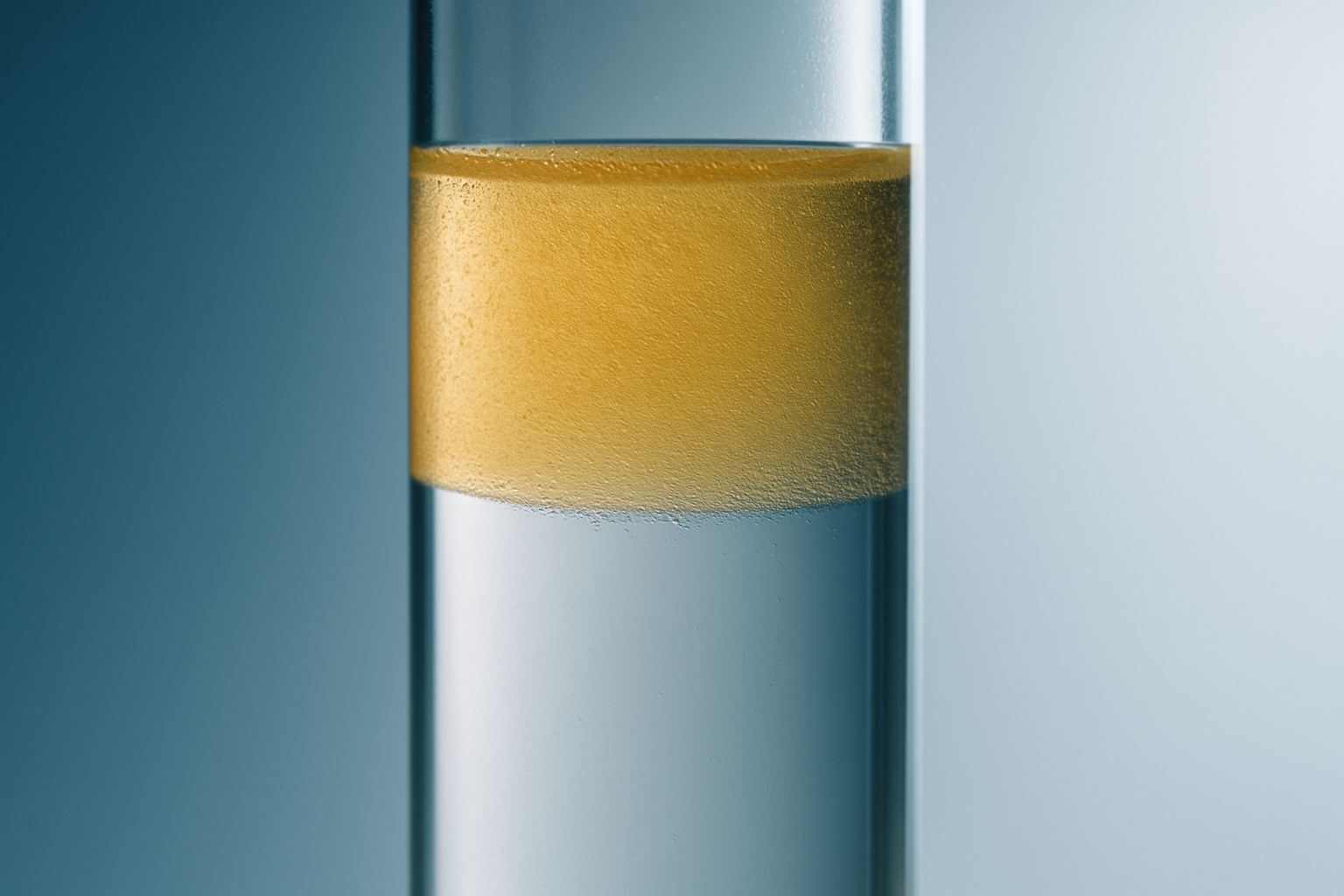
A quantity of your blood is drawn into a tube, which is then spun in a centrifuge. Spinning separates the blood by density: red cells at the bottom, a thin layer containing platelets and white cells above them, and plasma at the top. The platelet-rich fraction is drawn off and injected back into the skin or scalp.
Platelets are best known for clotting, and they also contain granules packed with growth factors that are released when they are activated. The rationale is that concentrating and delivering those growth factors into tissue prompts a repair response.
The detail that matters, and that is almost never explained to patients, is that every part of this varies: the volume drawn, the tube system used, the anticoagulant, the centrifuge speed, the spin time, whether a single or double spin is performed, how much white cell content is retained, and the final platelet concentration achieved. Two clinics both offering this treatment may be delivering meaningfully different products.
The variation between protocols is the main reason the published evidence is so hard to summarise.
It means the useful questions are unusually specific.
You are not auditing the science. You are establishing whether the person treating you has engaged with any of it. A practitioner who can answer precisely is in a different category from one who answers with a package name.
PRP treatment is not suitable for anyone with certain blood or platelet disorders, active infection at the site or systemically, or some cancers, and certain medications including anticoagulants need review first. It is declined in pregnancy and breastfeeding, and it does not treat volume loss, laxity or established scarring on its own.
The same order every time, with the decision made at assessment rather than at the point of sale.
The skin is examined in consistent light and the finding is named before prp and growth factors is discussed as an answer to it. Skin type, medical history, medicines and the routine you are already using all change the plan.
For energy-based treatment, particularly in higher Fitzpatrick types, a test patch and a wait rather than a full treatment on a first visit.
The finding, the treatment, the number of sessions, the interval between them, what you use at home and what it costs, in writing. A typical course is commonly 3 sessions, 4 to 6 weeks apart, then maintenance.
Conservative settings first, escalated across a course on the basis of how your skin actually responded rather than on a fixed protocol. Afterwards, swelling and bruising for 1 to 3 days.
Written aftercare covering sun protection, what to apply, what to stop and the signs that mean you telephone rather than wait.
Not suitable if certain blood disorders, active infection, some medications. Declare all. Where the finding will not respond to this treatment, that is said plainly and the correct route is discussed instead of a compromise.
Yes. Blood is drawn and processed in the same appointment and the platelet-rich fraction is injected back into your skin or scalp.
Commonly three, four to six weeks apart, then maintenance. A single session rarely produces a durable change.
It is one of the better supported uses, generally alongside conventional treatment rather than instead of it.
Because preparation protocols vary widely: spin speed, spin time, tube system and final concentration all differ, so clinics are not necessarily delivering the same product.
A blood draw, then injections with numbing cream. Uncomfortable rather than painful, with swelling afterwards.
Not to the material itself, since it comes from you. The usual injection risks including bruising and infection still apply.
Gradually across a course, with assessment several weeks after the final session against a standardised photograph.

Treatment
A newer category with genuine promise and marketing that has already outrun the evidence.
Read

Treatment
The most reliable low-risk texture treatment, and the one most often undermined by home devices.
Read

Treatment
Hydration delivered into the skin rather than onto it. Useful where resurfacing is risky.
Read
Tell us what you are seeing on your skin and what you have already tried. You will get a considered reply setting out whether this treatment applies to the finding you have described, what an assessment would need to establish, and what the alternatives are.
hello@aestheticlaunchlab.comPlease do not send clinical photographs or medical records by email. If something has gone wrong after a treatment, contact the practitioner who treated you, or NHS 111, rather than waiting for a reply here.